For Colorado Springs property owners, determining gutter cleaning, patching, or replacement depends on drainage effectiveness, fastener condition, and climate wear. If buildup clogs otherwise intact gutters, seasonal cleaning can restore flow and protect your roof, siding, and foundation. If you observe seam leaks, sagging runs, loose hangers, or detached downspouts, specific repairs usually fix the issue. If rust spreads, pitch fails, or leaks keep persisting, replacement typically provides better durable sense.
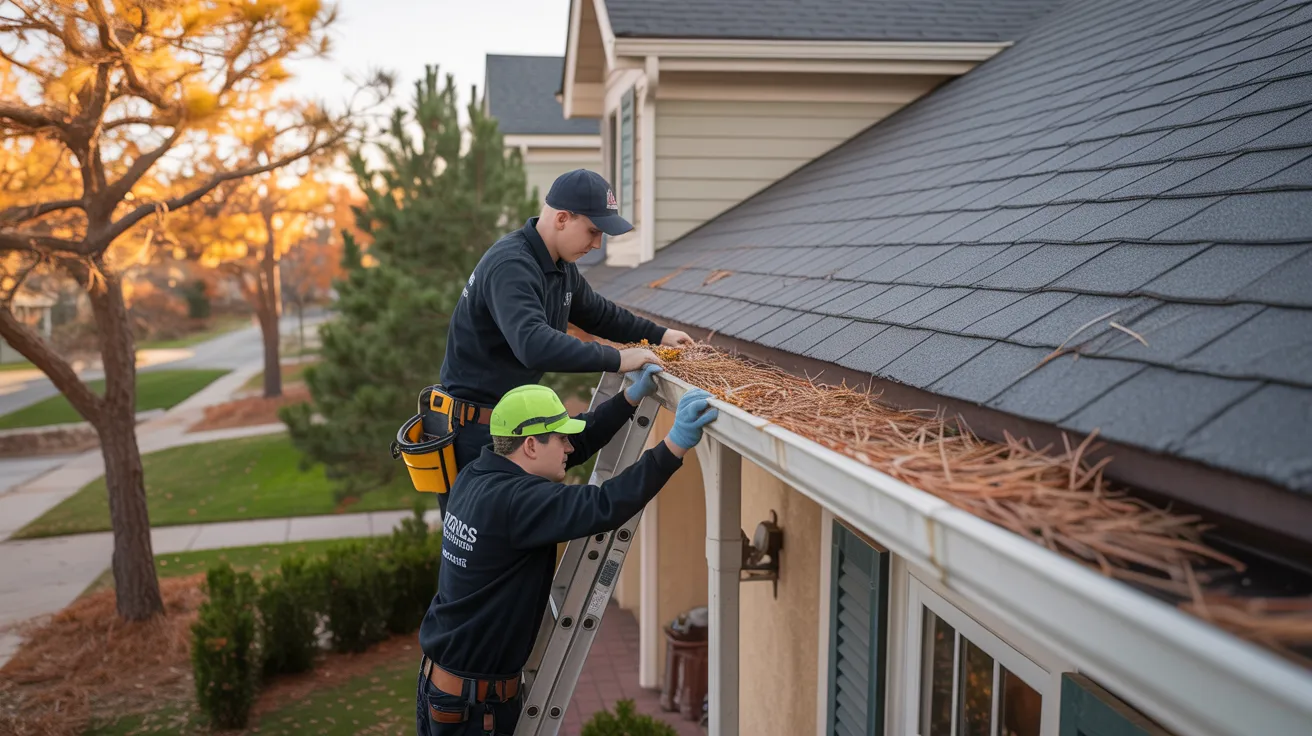
Key Insights
- Evaluate Colorado Springs gutters after hail, wind, or thermal cycles for leaks, sagging, loose hangers, and drainage problems near the foundation.
- If obstructions blocks otherwise functional gutters, professional cleaning and seasonal maintenance often reestablish drainage and prevent roof, siding, and foundation damage.
- Repair isolated problems like seam leaks, detached downspouts, limited corrosion, and sagging sections before they lead to soffit rot or water intrusion.
- Gutter replacement becomes necessary when multiple sections fail, pitch is inconsistent, deterioration spreads, or continuous repairs no longer halt leaks and separation.
- Heavier-gauge seamless aluminum gutters are ideal for Colorado Springs because they prevent rust, reduce leak points, and better endure hail and temperature swings.
Is Gutter Maintenance, Restoration, or Replacement Needed?
If flooding occurs during gentle rain, fascia separation develops, or debris remains packed inside, you probably require more than a basic assessment. Initiate by completing your own assessment: check joints, downspouts, grade, and noticeable oxidation. If debris restricts flow but runs remain otherwise sound, clearing plus seasonal maintenance typically reestablishes full performance.
Correction is the appropriate solution when you locate individual leaks, unstable brackets, slight seam separation, or one broken downspout. Focused repairs resolve drainage issues, protect soffit material, and prolong operational life without requiring full replacement. If channels sag noticeably, seams fail repeatedly, or rust, cracks, and holes compromise multiple runs, replacement is typically the better investment. A professional inspection establishes structural condition, uncovers hidden fastening issues, and helps you compare short-term repair costs against long-term replacement value accurately.
Why Gutters Fail Faster in Colorado Springs
In Colorado Springs, your gutters wear out faster because strong sun degrades materials, hail dents channels, and repeated freeze-thaw cycles widen seams and detach fasteners. You must also contend with abundant pine needles and windblown debris that trap moisture, restrict water flow, and hasten corrosion. Comprehending these local area stressors permits you to identify early failure points and choose the right cleaning, repair, or replacement approach.
Harsh Sun And Hail Conditions
Colorado Springs pairs extreme UV exposure with common hail activity, causing your gutters to deteriorate more quickly than they would in milder climates. Extreme sun degrades polymer coatings, dries sealants, and increases thermal expansion in metal components. You're more likely to experience leaks, sagging, and seam separation as fasteners loosen and joints lose flexibility.
The impact stress added by hail intensifies the degradation caused by solar radiation. Small stones alone can damage aluminum, chip protective finishes, and weaken brackets previously stressed by daily heat cycles. Without proper hail resilience, your system's service life is reduced and flow performance decreases with repeated storms. Major weather events necessitate inspection for damaged sealant, exposed metal, bent channels, and loose hangers. Your gutter system will resist Colorado Springs' extreme sun and hail better overall when you choose heavier-gauge materials and UV-stable finishes.
Cycles of Freezing-Thawing Damage
One of the most damaging stress patterns your gutters endure in Colorado Springs develops when temperatures oscillate above and below freezing. Seams, fastener holes, and tiny coating fractures permit meltwater to seep in during daylight warming. That trapped moisture becomes outward pressure overnight through freeze expansion, which opens joints, distorts hangers, and quickens corrosion at exposed metal.
This continuing cycle generates ice jacking that forces asunder sealed connections and lifts gutter sections away from the fascia. New slope problems, standing water, and leaks near end caps commonly emerge after only one tough winter. Because freeze-thaw stress undermines brackets, snow loads and runoff impact become more damaging. Small misalignment or failing sealant in your system causes these temperature reversals to hasten failure dramatically. Timely inspection, resealing, and secure reattachment help you restrict structural damage and service interruptions.
Pine Needles Along With Debris
Though freeze-thaw deterioration is typically faulted, pine needles and roof debris establish the blockage environments that make Colorado Springs gutters fail even more rapidly. Wind forces needles, grit, and shingle granules into troughs and downspouts on sloped roofs, where pine needle accumulation produces a dense mat that captures moisture and hinders discharge.
When water flow reduces, debris compaction increases load, traps sediment against metal, and accelerates corrosion at seams, fasteners, and end caps. You also get collected water that marks fascia, reverses under shingles, and spills near foundations. During storms, compressed debris diverts flow over gutter edges, which weakens hangers and warps pitch. Routine cleaning matters here because needles do not wash out easily; they tangle, resist flushing, and leave your system wet for more time after every precipitation event.
When Regular Gutter Cleaning Prevents High-Cost Damage
When you clean your gutters on schedule, you lower accumulated water that can seep under shingles and cause roof leaks. You also manage runoff, which helps defend your foundation from degradation, soil expansion, and basement moisture. Just as vital, you clear the soggy debris that lures insects, rodents, and other pests before they can establish themselves.
Preventing Roof Leakage
Blocked gutters can subtly convert a slight drainage matter into a roof leak by capturing water along the eaves and channeling it beneath shingles, flashing, and drip edge components.
Consistent gutter cleaning enables you to sustain a free drainage path, so water leaves the roofline instead of accumulating near edges and valleys, and that lowers the likelihood of moisture intrusion, wood rot, and insulation damage inside your attic.
It also supports proper attic ventilation by minimizing damp conditions that can impair airflow and see guide encourage condensation, and in Colorado Springs, snowmelt and windblown debris make seasonal service especially important.
If you maintain gutters clean and properly pitched, you shield roofing materials, prolong system life, and lower the likelihood of costly leak repairs later.
Protecting Your Foundation from Damage
Water that fails to exit your gutter system properly can do far more than threaten the roof—it can also damage your foundation. When gutters fill up, overflow pools along the 边缘 of your home instead of draining safely through downspouts and away from the structure. That ongoing saturation weakens bearing soils, hastens soil erosion, and builds up hydrostatic pressure against foundation walls.
If you preserve gutters clean and correctly pitched, you control roof runoff before it gathers near footings. Proper discharge aids in preserve grading, reduce settlement, and lower the risk of cracks in slabs, crawl spaces, and basement walls. You also decrease the chance of basement leakage, especially during Colorado Springs storms or spring snowmelt. Routine gutter servicing is a simple preventive measure that safeguards structural stability and works to help you avoid high-cost foundation repairs over time.
Pest Issue Elimination
Because unmaintained gutters accumulate natural waste and accumulated moisture, they provide ideal nesting and breeding habitats for pests that can damage both external systems and inside environments. Plugged troughs that overflow behind fascia and soffits increase the probability of insect harborage, wasp nesting, and hidden dampness transfer.
Periodic gutter cleaning clears away decaying leaf matter, seed buildup, and moist sediment that lure ants, mosquitoes, birds, and rodents. When you reestablish appropriate drainage, you diminish humidity near eave areas and eliminate entry points formed by drooping sections, disconnected joints, and deteriorated wood. Degraded trim and unsealed gaps allow rodent entry into attics, wall voids, and insulation systems, which is why that is critical. By disrupting pest activity early and preserving enclosure integrity, consistent maintenance prevents building repairs, contamination cleanup, and recurring extermination costs over time.
Signs You Need Gutter Service in Colorado Springs
While gutters usually deteriorate gradually, you can usually notice the initial signs before they create significant damage to your Colorado Springs house. Check for sagging portions, joints that have separated, and hardware separating from the fascia. These symptoms show the system no longer move runoff with correct alignment or support.
It's important to also inspect for rust stains, peeling paint, and hairline cracks along channels and seams. After a storm, inspect for water pooling near your foundation or overflow streaming over the gutter edge. Inside, inspect for damp soffits, stained siding, or mildew near rooflines. In Colorado Springs, freezing and thawing cycles and strong winds can intensify these symptoms. Should you detect ongoing overflow, obvious deformation, or concentrated corrosion, your gutters most likely need expert evaluation before small defects become structural deterioration elsewhere.
What Can Gutter Repair Correct?
Addressing gutter damage early can correct multiple operational problems before they migrate to the roofline, fascia, or foundation. Seam leaks, end cap defects, and outlet connection leaks can be addressed before runoff soaks siding or soffit boards. Proper resealing and fastening halt sections from separating under wind stress or snow load.
You can fix sagging runs that disturb pitch and cause water pooling near hangers or corners. Adjusting troughs, refastening loose hangers, and clearing isolated blockages brings back designed drainage to downspouts. Separated downspouts, bent sections, and minor corrosion that cause water spillage beside the home can also be repaired. When debris intrusion contributes to overflow, leaf guard installation or adjustment can restore flow while limiting frequent clogging. Prompt response helps protect basement walls, walkways, and soil grade from moisture damage.
When Replacing Gutters Is the Smarter Decision
When damage reaches multiple sections or the system no longer retains proper pitch, gutter replacement often delivers a more reliable result than continuous repairs. That threshold typically arrives when seams constantly separate, corrosion expands, fasteners detach from fascia, or leaks remain after fixes. At that juncture, repairs become accumulating costs without returning full hydraulic performance.
Consider replacement timing if your gutters are undersized for present roof runoff or if past repairs have produced inconsistent slopes. Full replacement enables you to correct alignment, hanger spacing, outlet placement, and drainage capacity in a single complete undertaking. It also offers the opportunity for material upgrades that improve corrosion resistance, joint integrity, and service life. When your existing system shows comprehensive failure, replacement provides better protection for your roofline, siding, foundation, and ongoing maintenance budget.
Best Gutter Options for Colorado Springs Properties
When replacement is more logical than repeated repair, picking a gutter system that matches Colorado Springs conditions becomes the next priority. The construction materials and designs you select need to handle snow loads, rapid freeze-thaw cycles, hail, and severe UV exposure without deforming or rusting.
Most residences are suited to aluminum gutters as the preferred choice. They're light, corrosion-resistant, and manufactured in seamless configurations that minimize leak points. Heavier gauge materials offer superior durability against hail impact and seasonal movement. Half round gutters can be a excellent fit if your residence has a historical or architectural style. The smooth interior enhances water flow and limits debris buildup, but they demand accurate bracket spacing and slope control. During heavy summer thunderstorms and spring snowmelt events, larger downspouts and properly sized troughs improve drainage capacity in steeper roof areas.
Rain Gutter Investment and Hiring Advice for Colorado Springs
Gutter costs in Colorado Springs vary with material, gauge, profile, roof complexity, footage, downspout number, and seamless fabrication selection, so compare bids carefully. Require each contractor to provide identical specifications, attachment spacing, outlet sizing, and warranty terms so you can compare real scope instead of pricing only.
You should verify licensing, insurance, and local references before committing. Request a written quote that separates removal, disposal, fascia fixes, gutter guards, and labor rates. That detail facilitates Seasonal budgeting and avoids surprise change orders. Watch out for unusually low bids; they often omit drip edge corrections or proper hanger spacing. DIY pitfalls include incorrect slope, undersized downspouts, and weak fastener selection, all of which can cause overflow or ice damage. A qualified installer should clarify code considerations, water management, and future maintenance.
Commonly Asked Questions
How Frequently Should Gutters Be Examined in Colorado Springs?
You should check your gutters at least twice a year, preferably in fall and spring, to catch debris buildup, separated joints, and water flow problems early. In Colorado Springs, seasonal checks matter because snow, hail, wind, and pine needles accelerate wear. Post storm checks should also be carried out after intense rainfall, hail, or high winds. You'll typically benefit from more frequent assessment frequency if your property has several trees or steeply sloped rooflines.
Do Gutter Guards Handle Pine Needles and Roof Grit Well?
Yes—and capability depends almost completely on guard design, coincidentally. You'll find micro mesh guards deal with pine needles and roof grit most efficiently because their fine screening filters small debris while allowing water drain. Needles are successfully repelled by reverse curve systems, but roof grit frequently slips into the gutter. You shouldn't presume any guard is zero-maintenance; ongoing assessments are still required to verify flow, prevent buildup, and detect wear before water flow deteriorates.
Should Established Colorado Springs Homes Invest in Seamless Gutters?
For older Colorado Springs homes, seamless gutters constitute a wise upgrade. With reduced joints, you'll notice fewer leaks and stronger drainage when facing snowmelt and heavy hail weather. Appropriately selected aluminum or steel configurations shield fascia, building foundation components, and yard, which serves to maintain property value. Residents with heritage preservation concerns can select style and color selections thoughtfully, maintaining period appeal while improving operation. Professional contractors deliver precise pitch and durable attachment.
Does Homeowner's Insurance Reimburse Hail Damage to Gutters?
Hail impacts metal with a pounding force, sometimes initiating homeowner's insurance coverage for gutter damage when your policy recognizes hail as a covered peril. You'll want to review hail protection, your deductible amount, and whether wear, corrosion, poor maintenance, or existing conditions are excluded under policy exclusions. Record the impact quickly with pictures and evaluation documentation. When adjusters validate weather-related damage, you can often receive repair or replacement fees, subject to plan limits.
What's the Time Frame for a Typical Gutter Installation?
A standard gutter setup takes approximately one day for an typical house, usually 4 to 8 hours. Your job schedule is affected by roof complexity, total footage, number of downspouts, fascia state, and weather conditions. You'll experience more rapid results when crew coordination is tight and materials come in pre-cut. If your home needs fascia repairs or custom fabrication, you should plan for the project extending into a second day in certain situations.
Final Thoughts
If you stay proactive, you'll safeguard your Colorado Springs home from roof edge rot, foundation moisture, and drainage problems. Clear gutters on schedule, address leaks and loose sections quickly, and replace old systems before they become the thing that breaks the camel's back. With the proper material, appropriate sizing, and expert installation, your gutters will control snowmelt, debris, and heavy storms more effectively. A qualified local contractor assists you make economical decisions that hold up over time.